

More Games Like Geometry Dash
All Other Games
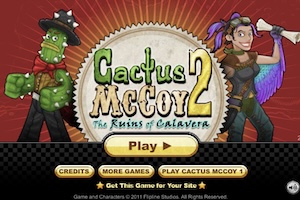
Cactus McCoy 2 – The Ruins of Calavera
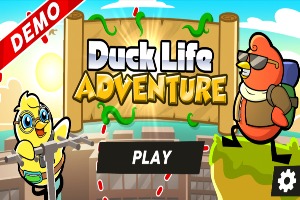
Duck Life Adventure
Cheese Dreams
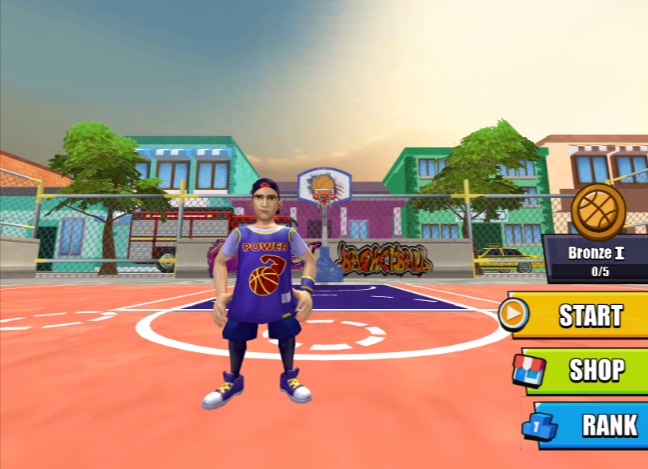
Basketball.IO
The Worlds Easyest Game
Ball Mayhem
Crossy Road
Baldis Basics

Chaotic Garden
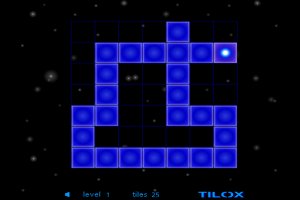
Mind Tilox
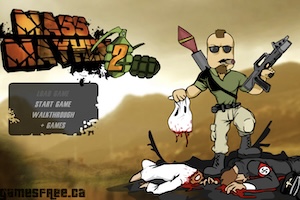
Mass Mayhem 2
Lavatory Escape
Mole Vs Lava
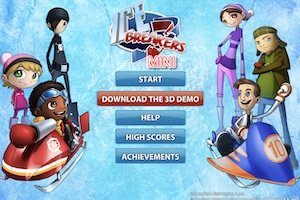
Ice Breakers Mini
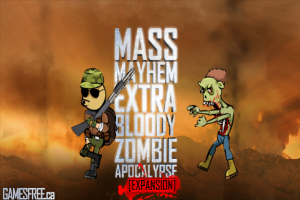
Mass Mayhem Extra Bloody Zombie Apocalypse Expansion
WOP

Sift Renegade 2

Bounzy

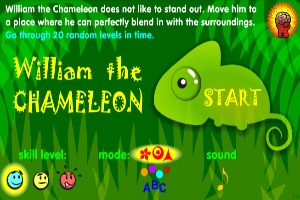
William The Chameleon
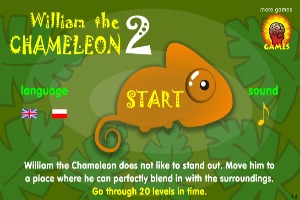
William The Chameleon 2
Geometry Dash (Scratch Roots): Simple Taps, Sharp Jumps, Endless Rhythm
What Is Geometry Dash (Scratch Version)?
It’s a tap-to-jump runner where a little cube blasts through spikes, saws, and neon platforms. The level scrolls on its own. Your job is timing. Tap to jump. Hold to keep jumping. Miss once, and you’re done. Back to the start. No mercy, no checkpoints.
It looks tiny at first. One jump. Then two. Then portals flip gravity. Pads launch you farther than you expect. The rhythm pulls you along. You’ll swear the level is learnable. And it is. But the price of learning is restarting—again and again—until your thumbs and brain sync up.
This Scratch take on Geometry Dash sparked a wave. One project turned into dozens of remixes, level packs, and “worlds.” Different creators, same core rule: survive the pattern.
What Makes It Fun
Momentum builds naturally. Early jumps feel chill. A minute later you’re weaving through spikes on instinct.
The input is clean. Tap, jump. No weird lag, no clutter. It’s you versus timing.
Every fail feels fixable. You can point to the exact spike that clipped you. That little “I know what to do next time” itch keeps you pressing restart.
Score doesn’t matter much. Beating a section does. Clearing a chunk you couldn’t clear yesterday is the reward.
Visual Style That Works
Bright shapes on dark backgrounds. High contrast. Spikes are obvious. Pads and portals pop. The scene is readable at a glance, even when the scroll speed ramps up. No fancy textures needed—just crisp blocks, glowing edges, and clear hazards. The style supports the speed.
No Story, Just Flow
No plot. No cutscenes. No dialogue. You press play, you face the track. Patterns teach themselves: where to jump, when to hold, when to trust the rhythm. It’s pure muscle memory. The game doesn’t explain; it shows. You fail, you learn, you try again. Simple is the point.
How a Scratch Project Became a Mini-Series
One cool thing about Scratch is remix culture. A solid Geometry Dash project drops, and suddenly you’ve got:
-
New level sets labeled “World 1,” “World 2,” and so on…
-
Theme spins with winter, neon, or retro palettes
-
Speed edits, gravity flips, and custom spike patterns
-
Music-timed layouts that feel like tiny rhythm adventures
Each remix keeps the same heart—tap to survive—but creators layer in tricks: fake-outs, late jump windows, and gravity portals stacked back-to-back. It feels like a series because the community treats it like one.
Other Games With the Same Idea
If you vibe with this, you’ll spot cousins everywhere: cube runners, spike dodgers, one-button rhythm tracks. Some swap the cube for a UFO, a wave, or a robot. Others slow the scroll and lean on puzzles. The base recipe doesn’t change much: keep moving, read the pattern, nail the timing, don’t blink.
Why It Stays Popular
It respects your time. You can play for two minutes or two hours. Progress is measured in muscle memory. The controls never fight you. The challenge never lies. You either jumped too early, or too late. Clear feedback, instant restart, repeat.
It also grows with you. Beginners learn the beat. Regulars chase perfect runs. Creators build new tracks and dare everyone else to keep up. No live-ops needed. No complicated systems. Just a tight loop that does one thing well—and keeps doing it.
In the end, that’s the charm. A tiny Scratch project with sharp timing, clean looks, and a fair fight. Nothing extra. Nothing fake. Just you, a cube, and the rhythm that refuses to let go.